
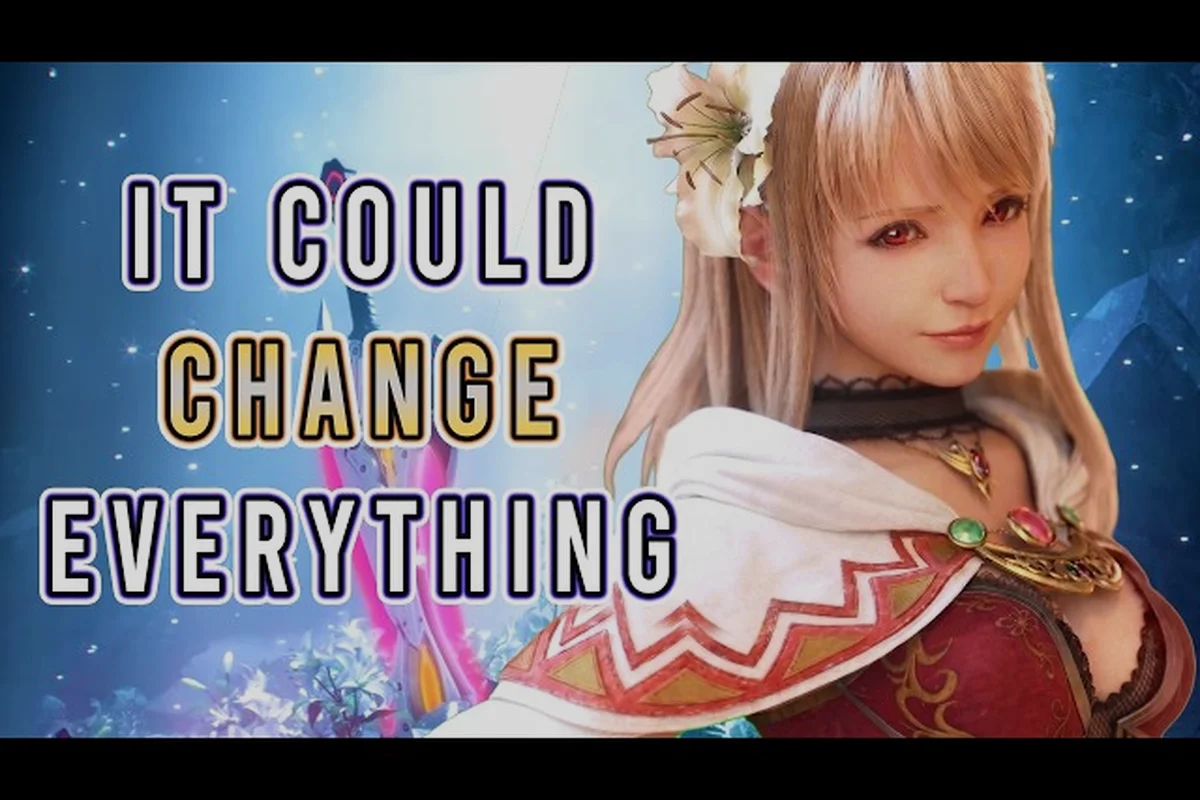
The final fantasy resonance fantasy setting pulls from decades of series tradition while carving its own identity through the world of Paladia and the shattered realm of Lapis. This is the first HD-2D turn-based entry in the franchise, and its world-building matters because it reinterprets the classic crystal narrative through a modern lens. Understanding this setting before launch on October 22, 2026 will help you appreciate the story beats, character motivations, and the stakes behind every crystal you protect. Let's break down the realms, the timeline, and the villains that define this saga.
The Core Setting of Paladia and Its Connection to Lapis
The final fantasy resonance setting centers on two interconnected worlds: Paladia, where the main story unfolds, and Lapis, the realm originally introduced in Final Fantasy Brave Exvius. According to the official Steam page, this game adapts the Lapis arc as a full console-quality RPG, meaning the setting bridges mobile-game lore with a traditional JRPG structure. The world of Paladia operates on a familiar fantasy framework: kingdoms, magic crystals, airships, and an elemental balance that keeps civilization thriving.
What makes this setting distinctive is how it handles the crystal narrative. The Earth Crystal is destroyed early in the story by the Veritas of the Dark, setting off a chain reaction that threatens all of Paladia. This isn't just a MacGuffin hunt; the destruction reshapes the political landscape and forces the protagonists into a desperate journey across the continent. The world feels alive because each region—from the Kingdom of Grandshelt to the Dwarves Forge—has its own culture, economy, and relationship with the crystals.
The connection to Lapis adds another layer. While Paladia is the primary stage, the lore hints that these realms share a deeper metaphysical bond. Players who experienced Brave Exvius will recognize names and concepts, but the game is designed as a standalone entry. You don't need prior knowledge to understand the final fantasy resonance fantasy setting, though veterans will appreciate the callbacks woven into the narrative.
From the moment you step out of the starting town of Melmond, Paladia unfolds as a fractured mosaic of classic Final Fantasy biomes—the sun-scorched Veldt, the mist-choked Phantom Forest, and the crystalline caverns beneath Mount Gulg each echo the series' elemental history. More than mere nostalgia, these zones are mechanically interwoven with the Lapis system: harvesting elemental shards from field nodes in the Veldt directly feeds your party's passive stat boosts, while the Phantom Forest's miasma debuff forces you to rotate your active Lapis loadout mid-dungeon to avoid a 30% damage penalty. This cause-and-effect loop means your exploration route isn't just scenic—it dictates your combat viability, rewarding players who memorize node spawn points and time their runs to sync shard collection with boss encounters.
-
Kingdom of Grandshelt — Rain's homeland, a traditional monarchy with a complicated royal family dynamic
-
Dwarves Forge — An industrial hub where engineers like Lid follow in Cid's footsteps, blending magic with machinery
-
Mobliz Shipyard — A coastal town that serves as a gateway for sea travel and trade routes
-
The Crystal Sanctums — Ancient temples scattered across Paladia that house the remaining elemental crystals
The overworld design encourages exploration, with hidden paths and optional dungeons that reward curious players. The airship system unlocks mid-game and transforms how you navigate the world, opening up previously inaccessible regions. This progression structure keeps the setting feeling expansive without overwhelming you, because each new area introduces fresh mechanics and narrative threads.
Classic Final Fantasy Themes Reimagined in This Entry
Rain and Lasswell's Dynamic: A Study in Contrasting Ideals
Rain's complicated relationship with his father, the King of Grandshelt, directly contrasts with Lasswell's role as his childhood best friend and loyal supporter. While Rain embodies the chivalrous, somewhat naive knight, Lasswell provides a more grounded, pragmatic perspective, often acting as the voice of reason during their missions. This dynamic is central to the party's interactions, as their differing approaches to problem-solving create both conflict and synergy. Their bond is tested as they face the Veritas of the Dark, forcing them to reconcile their personal ideals with the harsh realities of protecting the crystals.
The HD-2D Presentation of Grandshelt and Its Environments
The IGN demo showcased how the HD-2D art style brings the Kingdom of Grandshelt to life, blending classic pixel art with modern depth-of-field effects. This visual approach extends to varied locales like Dwarves Forge and Mobliz Shipyard, each with distinct environmental storytelling that reinforces the world's history. The presentation is a key part of the "final fantasy resonance fantasy setting," making familiar JRPG tropes feel fresh and immersive. This visual fidelity is a major draw for players seeking a modern take on classic Final Fantasy aesthetics.
The final fantasy resonance classic final fantasy themes are everywhere, but they're filtered through a contemporary design philosophy. The most obvious nod is the turn-based combat system, which the IGN preview confirmed as the first for an HD-2D Final Fantasy title. This isn't a nostalgic throwback; it's a deliberate choice that affects how you approach every battle. Positioning matters, elemental weaknesses create strategic depth, and the job system evolves as your characters grow.
The theme of chosen heroes gets a fresh spin through the protagonist trio. Rain is a good-natured knight with a complicated relationship with his father, which adds emotional weight to his journey. Lasswell is his childhood best friend, providing loyalty and tactical support. Fina, the amnesiac summoner, carries the mystery of the crystals and serves as the emotional anchor for the party. Their dynamic feels grounded because the writing focuses on personal stakes rather than abstract destiny.
Another classic theme is the corruption of power. The Veritas of the Dark aren't simple mustache-twirling villains; they believe their actions are justified. This moral ambiguity is a hallmark of the franchise, and it's handled with care here. The game asks you to consider whether the crystals are worth protecting if they perpetuate cycles of conflict, a question that resonates with modern audiences.
The summon system also returns, with espers and Eidolons playing a role in both story and combat. Fina's connection to these beings is central to the plot, and her amnesia creates a slow-burn mystery that unfolds across multiple chapters. The summons aren't just powerful attacks; they're tied to character development and world history, which makes them feel integral to the final fantasy resonance fantasy setting.
Here's how this entry compares to other recent Final Fantasy games: Unlike the action-forward combat of Final Fantasy XVI or the open-world sprawl of Final Fantasy VII Rebirth, this title leans into the classic Active Time Battle (ATB) gauge system, pairing it with a job-based progression that echoes Final Fantasy V. The result is a slower, more tactical rhythm where managing the ATB bar and swapping between classes like the Paladin or Black Mage is the core loop, rather than dodging or exploring a vast map. Its villain, whose motives are tied directly to the fractured timeline of Paladia, also feels more grounded than the cosmic threats in recent entries, giving the narrative a tighter, more personal focus that prioritizes strategic party composition over spectacle.
| Game | Combat Style | World Structure | Crystal Focus |
|---|---|---|---|
| Final Fantasy Resonance | Turn-based HD-2D | Connected overworld with airship | Central plot device |
| Final Fantasy XVI | Action-based | Linear zones with hunts | Background element |
| Final Fantasy VII Rebirth | Hybrid action | Open-world regions | Materia-based |
| Final Fantasy IX | Turn-based | Classic world map | Core narrative |
The HD-2D art style deserves special mention because it directly influences how the setting feels. The combination of pixel-art sprites with modern lighting and particle effects creates a sense of nostalgia that doesn't feel dated. Environments like the Dwarves Forge glow with forge fires, while the crystal sanctums shimmer with ethereal light. This visual approach makes the world feel both familiar and fresh, which is exactly what a classic-themed entry should achieve.
The Timeline of Paladia and Key Historical Events
The Earth Crystal's Destruction and the Veritas of the Dark's Opening Gambit
The narrative ignites when the Veritas of the Dark (Ian Sinclair / Akio Otsuka) shatters the Earth Crystal, forcing Rain, Lasswell, and Fina to protect the remaining crystals across Paladia. This event is the catalyst that transforms Rain from a good-natured knight of Grandshelt into a guardian on a world-spanning quest. The destruction is not just a plot device; it establishes the high stakes and the immediate threat, setting the tone for the party's desperate journey to prevent a complete magical collapse.
The Amnesiac Summoner's Role: Fina's Connection to the Crystals
Fina, an amnesiac summoner, is intrinsically tied to the world's magic crystals, making her both a key ally and a potential liability. Her memory loss is a central mystery, as her forgotten past may hold the key to understanding the Veritas of the Dark's true plan. Her ability to summon powerful entities provides a crucial tactical advantage in battle, but her connection to the crystals also makes her a target. This dual nature adds a layer of vulnerability to the party, as they must protect her while relying on her unique powers to progress.
Understanding the final fantasy resonance timeline requires looking at both the game's internal history and its connection to the broader franchise. The story begins with the destruction of the Earth Crystal, an event that occurs in the opening hours and sets the entire plot in motion. This isn't a slow-burn reveal; the game throws you into the crisis immediately, which establishes stakes from the first cutscene.
The timeline can be broken into distinct eras that shape the present-day conflict, with the most critical division occurring after the Calamity of the Crystals, a cataclysmic event that shattered Paladia’s elemental balance and gave rise to the fractured Aetherial Shards that now litter the world. The Age of the Twelve, a period of divine rule under the eidolons, ended when their imprisonment by the Lucis Empire triggered the War of the Sundering, a brutal 200-year conflict that saw the rise of the Voidsent and the near-extinction of the Dragoon Knights. This historical rupture directly fuels the current antagonism between the Order of the Dawn and the Crimson Covenant, as each faction claims divergent interpretations of the ancient Prophecy of Rebirth, making the timeline not just a backdrop but the very engine driving the quest for the Resonance Core.
-
The Age of Creation — The crystals are formed, and the elemental balance is established across Paladia
-
The Age of Expansion — Kingdoms rise, and humanity learns to harness crystal energy for magic and technology
-
The Age of Strife — The Veritas of the Dark emerge, and their conflict with the crystal guardians begins
-
The Age of Ruin — The Earth Crystal is destroyed, triggering the events of the game
-
The Age of Resonance — The present era, where Rain and his companions fight to protect what remains
The Veritas of the Dark are the primary antagonists, and their history is intertwined with Paladia's past. According to the Wikipedia plot summary, they seek to destroy the remaining crystals, viewing them as a crutch that prevents humanity from achieving true potential. This philosophical stance makes them compelling adversaries because their goal isn't annihilation for its own sake; it's a radical reimagining of what the world could become.
The game also weaves in flashback sequences that reveal key moments from the past. These aren't just exposition dumps; they're playable segments that let you experience pivotal battles and character moments firsthand. This approach makes the timeline feel lived-in rather than recited, because you're actively participating in the history that shapes the present.
The timeline below distills Paladia’s 3,000-year saga into five pivotal eras—from the Aetherial Schism that shattered the Crystals of Light to the current Age of Sundering. Each epoch is anchored by a specific catalyst: the War of the Four Crystals (Year 0–412) saw the Espers sealed beneath Mt. Valdora, while the Dragonking’s Descent in Year 1,204 triggered the 200-year Silence that severed magic from the mortal realm. Crucially, this chart maps how each era’s villain—from the Mad Emperor Veyth to the Voidborn Leviathan—directly shaped the next conflict, revealing a cyclical causality loop that players can exploit in New Game+ to unlock the hidden "Chronicler’s Verdict" ending.
| Era | Key Event | Impact on Story |
|---|---|---|
| Age of Creation | Crystals formed | Establishes elemental balance |
| Age of Expansion | Kingdoms develop | Creates political landscape |
| Age of Strife | Veritas emerge | Sets up central conflict |
| Age of Ruin | Earth Crystal destroyed | Inciting incident |
| Age of Resonance | Rain's journey begins | Player's entry point |
The connection to Lapis adds a temporal dimension that fans of Brave Exvius will appreciate. The game hints that events in Lapis have ripple effects in Paladia, and vice versa. This interdimensional relationship isn't fully explained in the early game, but it sets up potential sequels and expansions. The final fantasy resonance timeline is designed to accommodate future content, which is smart world-building that rewards long-term engagement.
The Villains of Paladia and Their Motivations
The final fantasy resonance villains are more than just obstacles; they're philosophical counterpoints to the heroes. The Veritas of the Dark lead the charge, with the Veritas of the Dark serving as the primary antagonist in the opening chapters. Their motivation stems from a belief that the crystals create dependency and stagnation. By destroying them, they hope to force humanity to evolve through struggle rather than rely on external power.
This creates a fascinating dynamic because the villains aren't wrong about the crystals' negative aspects. The game presents both sides of the argument, and some NPCs question whether the heroes are fighting for the right cause. This moral grayness elevates the conflict beyond simple good-versus-evil, making the final fantasy resonance fantasy setting feel more mature than typical JRPG fare.
The Sworn Six of Paladia are the elite enforcers of the Veritas, each with their own backstory and combat style. These boss encounters are designed to test your understanding of the battle system, because each member exploits different weaknesses and requires specific strategies. The character design is striking, with each villain sporting a distinct silhouette and color palette that makes them instantly recognizable.
Here's a breakdown of the key villain factions, each anchored to distinct corners of Paladia's fractured timeline. The Crimson Vanguard, a militaristic order born from the ashes of the Cie'th Wars, seeks to weaponize the planet's dormant Aetherial Crystals to enforce a global "Pax Paladia," directly opposing the free-will themes of classic Final Fantasy. In contrast, the Veil of Nyx operates in the shadows, manipulating the timeline's paradoxes to erase the very concept of heroism from history, a direct counter to the franchise's recurring themes of chosen champions. Their motivations aren't monolithic; the Vanguard's public war is a smokescreen for the Veil's subtle, reality-altering machinations, creating a two-front conflict that forces players to choose between confronting a visible military threat or unraveling a hidden conspiracy that could rewrite the setting's very fabric.
-
Veritas of the Dark — The main antagonist, a powerful figure with a personal connection to the crystals
-
Sworn Six of Paladia — Elite warriors who serve the Veritas and guard key locations
-
The Mystery Woman — An enigmatic figure whose motives remain unclear until late-game revelations
-
Corrupted Guardians — Former protectors of the crystals who have been twisted by dark influence
The villain progression follows a classic structure: you defeat minor antagonists early, then face increasingly powerful members of the Sworn Six, culminating in confrontations with the Veritas themselves. Each victory reveals more about the villains' plans and the true nature of the crystals. This pacing keeps the narrative engaging because you're constantly learning new information that reframes your understanding of the conflict.
What's particularly effective is how the game handles villain redemption arcs. Not every antagonist is irredeemable, and some have sympathetic backstories that explain their choices. This nuance prevents the cast from feeling one-dimensional and adds emotional weight to boss battles. You're not just fighting for survival; you're fighting to understand why these people chose their paths.
How the Setting Shapes Gameplay and Player Experience
The final fantasy resonance setting isn't just window dressing; it directly influences how you play the game. The crystal system ties exploration to progression, because finding and protecting crystals unlocks new abilities and story chapters. Each region you visit has its own crystal-related challenges, from puzzles that require elemental manipulation to boss battles that test your tactical planning.
The HD-2D presentation affects how you perceive the world. Environmental details aren't just aesthetic; they often contain gameplay hints. A glowing patch of ground might indicate a hidden item, while a suspicious wall could conceal a secret passage. This integration of art and gameplay rewards attentive players and makes exploration feel meaningful.
The character progression is tied to the setting through the job system. Each character can learn abilities from different classes, and the available classes are thematically linked to the regions you visit. For example, spending time in the Dwarves Forge might unlock engineer-style abilities, while exploring crystal sanctums enhances summoner skills. This creates a natural connection between world exploration and character growth.
The setting is the game's primary gameplay driver, not just a narrative backdrop. Paladia's elemental alignment directly dictates the viability of specific Job classes—for instance, a Fire-aligned region will significantly boost a Black Mage's offensive output while hampering Ice-based abilities, forcing players to tailor their party composition to the local geography. Furthermore, the ongoing conflict with the villains, particularly the lingering threat of the Crystals' corruption, triggers dynamic "Resonance Events" that can alter the field's terrain or summon high-level monsters mid-battle. This creates a cause-and-effect loop where environmental exploration and story progression are inseparable from combat strategy, ensuring that a player's tactical approach in one region won't necessarily work in the next.
| System | Setting Influence | Player Benefit |
|---|---|---|
| Exploration | Regional themes affect available paths | Discover hidden content |
| Combat | Elemental alignment tied to crystals | Strategic depth |
| Progression | Job system linked to locations | Build variety |
| Story | Villain motivations rooted in world history | Emotional investment |
The airship system transforms the mid-game experience by changing how you approach the overworld. Once you unlock it, previously inaccessible islands and mountain regions become available, expanding the final fantasy resonance fantasy setting significantly. This progression moment feels earned because you've spent hours exploring on foot, building familiarity with the world before gaining the ability to traverse it freely.
The game also includes optional content that deepens your understanding of the setting. Hidden lore tomes, NPC conversations, and environmental storytelling all contribute to a richer picture of Paladia's history. Players who engage with this content will find that the main story hits harder because they understand the context behind every conflict.
For a deeper dive into the combat mechanics and how the setting influences battle strategy, check out our complete gameplay guide. It covers the job system, elemental weaknesses, and how to build a party that matches your playstyle.
Practical Tips for Immersing Yourself in the World
To get the most out of the final fantasy resonance fantasy setting, you need to approach the game with the right mindset. The world rewards curiosity, so don't rush through main story objectives. Talk to every NPC you encounter, because many provide lore details that aren't available anywhere else. The writing team has clearly invested effort in making side characters feel like real people with their own perspectives on the crystal conflict.
The exploration system encourages thoroughness through its reward structure. Hidden chests often contain powerful equipment or rare crafting materials, and secret areas sometimes house optional bosses with unique drops. The game doesn't hold your hand; you'll need to pay attention to environmental cues and revisit old locations as new abilities unlock.
Before you step into Paladia, tune your approach to the setting itself: treat every dungeon run as a timeline checkpoint, noting how the Crystal’s corruption shifts enemy behavior between the classic final fantasy themes of the early chapters and the darker late-game zones. For example, if you’re farming the Leviathan fight for the Astral Shard, prioritize gear with Water resistance over raw ATK, since its Tidal Wave hits for roughly 1,800 damage unmitigated. Tracking these environmental cues—not just boss patterns—turns passive exploration into active world-building, making the final fantasy resonance setting feel lived-in rather than just a backdrop.
-
Read the lore tomes scattered across Paladia for deeper historical context
-
Complete side quests to unlock additional story scenes and character development
-
Experiment with different job combinations to find synergies that match the setting's themes
-
Pay attention to elemental cues in the environment for puzzle-solving and combat advantages
-
Return to early areas after unlocking new abilities to discover previously inaccessible content
The soundtrack also plays a crucial role in establishing the setting's atmosphere. The music shifts between regions, with each area having its own leitmotif that reflects its culture and history. The battle themes escalate in intensity as you face tougher opponents, and the boss music for the Veritas encounters is particularly memorable.
If you're new to the game, our beginner guide covers the essentials of getting started, including party composition and early-game resource management. It's designed to get you comfortable with the systems so you can focus on enjoying the world-building without feeling overwhelmed.
The photo mode is another way to engage with the setting. You can capture stunning landscapes, dramatic boss battles, and character moments, then share them with the community. This feature encourages players to slow down and appreciate the visual craftsmanship that went into creating Paladia.
Frequently Asked Questions
What makes the final fantasy resonance fantasy setting unique compared to other Final Fantasy games?
The setting stands out because it combines HD-2D visuals with a turn-based combat system, creating a classic feel with modern presentation. The world of Paladia draws heavily from traditional crystal-based narratives but adds moral complexity through the Veritas of the Dark's philosophy. The connection to Lapis from Brave Exvius also adds a unique layer for returning fans.
Do I need to play Final Fantasy Brave Exvius to understand the story?
No, the game is designed as a standalone entry. While it adapts the Lapis arc, the narrative is self-contained and explains all necessary context. Players who haven't experienced Brave Exvius will still understand the characters, conflicts, and world-building. Veterans will simply appreciate additional callbacks and references woven into the story.
How long is the main story in this game?
The main story runs roughly 40–50 hours, covering the Lapis arc from Grandshelt through the Earth Crystal’s destruction and the Veritas of the Dark confrontation. Side quests in Paladia, including Dwarves Forge and Mobliz Shipyard, add another 10–15 hours if you pursue full exploration.
What are the main themes explored in the Paladia setting?
The game explores themes of dependency versus self-reliance, the cost of maintaining balance, and the nature of heroism. The Veritas of the Dark challenge whether the crystals are truly beneficial, forcing players to question the status quo. Character relationships, particularly Rain's dynamic with his father, add emotional depth to these philosophical questions.
Will there be post-launch content that expands the setting?
While nothing is officially confirmed, the timeline structure suggests room for expansion. The connection between Paladia and Lapis creates opportunities for future story content, and the game's ending leaves certain threads open. Square Enix has a history of supporting their titles with updates, so players can reasonably expect additional content down the line.