
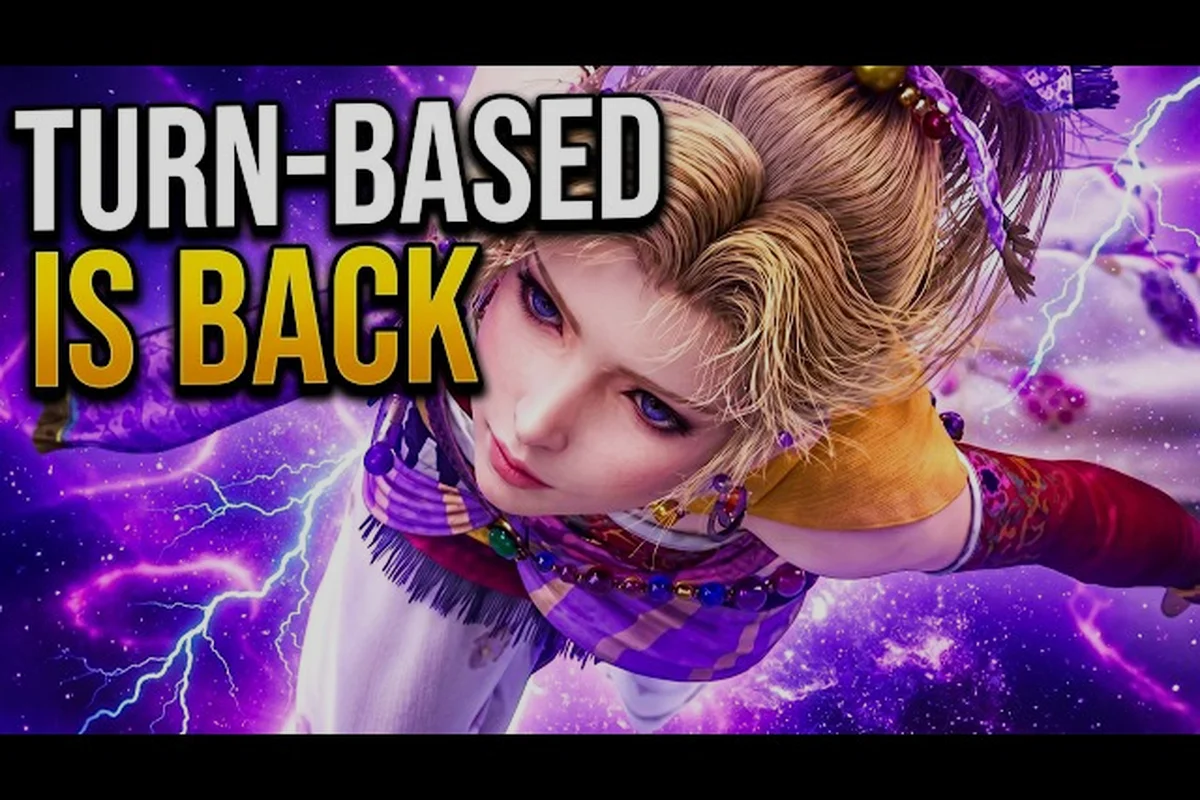
The final fantasy resonance story guide you are about to read breaks down the complete narrative of Square Enix's HD-2D adaptation of the Brave Exvius Lapis arc, releasing October 22, 2026. Understanding this plot matters because the game's turn-based combat and crystal mechanics are directly tied to its lore, so knowing the story enriches every battle. This final fantasy resonance story explained article covers the full journey from Grandshelt to the final confrontation, including character motivations, the role of the crystals, and the truth behind the Veritas of the Dark.
The Lapis Arc and the Game's Narrative Foundation
FINAL FANTASY RESONANCE adapts the first story arc of the 2015 mobile game Final Fantasy Brave Exvius, known as the Lapis arc, into a full console-quality RPG. According to the official Wikipedia entry, this is the first HD-2D game in the Final Fantasy series, and it replaces the mobile game's ATB system with traditional turn-based combat. The narrative centers on Rain, a good-natured knight from the Kingdom of Grandshelt, who carries a complicated relationship with his father, the king.
The story opens with a straightforward premise: the world of Lapis is sustained by four elemental crystals, and a shadowy group called the Veritas of the Dark seeks to corrupt or destroy them. Rain, alongside his childhood best friend Lasswell, the aspiring engineer Lid, and the amnesiac summoner Fina, sets out to protect the crystals and uncover the truth about their world. What begins as a classic crystal-protection quest quickly unravels into a deeper conspiracy involving Rain's father, the true nature of the espers, and the hidden history of Lapis itself.
The game's structure follows a chapter-based progression that mirrors the mobile original but expands each location into fully explorable HD-2D environments. The IGN preview of the demo highlighted the Grandshelt Castle, the Dwarves Forge, and the Mobliz Shipyard as early areas, each with its own narrative beat and dungeon design. Because the story is the backbone of the experience, understanding the plot before you start playing helps you appreciate the emotional stakes of every boss fight and party reunion.
Rain, Lasswell, and the Grandshelt Royal Conflict
The emotional core of the final fantasy resonance full story rests on Rain's relationship with his father, King Raegen of Grandshelt. Raegen is not a distant monarch; he is a former knight who carries deep guilt about the kingdom's past and the disappearance of Rain's mother. The father-son conflict drives much of the early narrative, as Rain struggles to live up to a legacy he does not fully understand.
Raegen's secret is that he once served the Veritas of the Dark before defecting, and he knows the true purpose of the crystals. This revelation recontextualizes every interaction Rain has with his father, transforming what seems like coldness into protective distance. The story handles this with restraint, letting players piece together the truth through optional dialogue and environmental storytelling rather than heavy-handed exposition.
Lasswell serves as Rain's emotional anchor, but he carries his own burden. As the son of the Grandshelt general, Lasswell was raised with the expectation of military excellence, yet he consistently chooses loyalty to Rain over duty to the crown. His arc explores whether a knight's first allegiance is to his kingdom or to his friends, and the game forces him to answer that question when Raegen's actions threaten to tear Grandshelt apart.
| Character | Role in Story | Key Arc | Emotional Driver |
|---|---|---|---|
| Rain | Protagonist, knight | Learning the truth about his father | Legacy and belonging |
| Lasswell | Best friend, swordsman | Choosing friendship over duty | Loyalty and identity |
| Lid | Engineer, comic relief | Proving herself as Cid's successor | Recognition and skill |
| Fina | Summoner, amnesiac | Recovering her memory and purpose | Identity and sacrifice |
The party dynamics shift significantly after the midpoint of the game, when Raegen's past with the Veritas of the Dark is fully revealed. The final fantasy resonance story explained through these character lenses shows that the true antagonist is not a single villain but the cycle of secrecy and sacrifice that the previous generation created. Rain must decide whether to repeat his father's mistakes or forge a new path, and that choice shapes the game's ending.
The Veritas Agenda and Grandshelt's Succession Crisis
Rain's Father Raegen and the Grandshelt Succession Crisis
Rain's strained relationship with his father, Raegen, forms the emotional core of the Grandshelt royal conflict. Unlike the mobile original's brief exposition, Resonance expands this into a succession crisis where Rain's knightly duty clashes with his father's political machinations over the kingdom's crystal stewardship. The IGN demo confirms Rain's "complicated relationship" drives his initial reluctance to accept the Veritas threat. This father-son dynamic directly parallels Lasswell's loyalty to Rain, creating a two-generation contrast: Lasswell follows Rain unquestioningly, while Rain questions Raegen at every turn—a narrative tension that escalates when the Veritas of the Dark target Grandshelt's crystal.
HD-2D Turn-Based Combat Versus the Mobile ATB System
Resonance replaces Brave Exvius' Active Time Battle system with traditional turn-based combat, fundamentally changing how enemy encounters are structured. In the mobile game, ATB gauges allowed simultaneous actions and speed-based priority; the HD-2D remake instead uses strict turn ordering, meaning enemy stun effects and delay abilities now have tactical weight they lacked before. The Wikipedia source confirms enemies are "stu"—likely stunned or staggered—by certain attacks, a mechanic that rewards party composition planning over reaction speed. This shift makes Lid's engineering skills more valuable, as her crafted items can manipulate turn order in ways ATB's real-time pressure never permitted.
The Veritas of the Dark are not a simple evil organization; they are a faction with a coherent, if extreme, philosophy about the crystals. Each member wields a fragment of dark power that mirrors the elemental crystals, and their leader, the Veritas of the Dark (the title is both the group name and its leader's identity), believes that the crystals' influence has corrupted Lapis beyond repair. Their plan is to shatter the crystals and rebuild the world from scratch, even if that means destroying everything in the process.
The group's ranks include several memorable antagonists, each with a personal connection to the main cast. The Veritas of the Earth, for instance, is revealed to be a former Grandshelt knight who trained alongside Raegen, while the Veritas of the Water has a tragic backstory involving the destruction of a coastal village. These personal connections prevent the Veritas from feeling like interchangeable boss fights; each confrontation carries emotional weight because the heroes are fighting people who were once allies or friends.
The final fantasy resonance lore guide reveals that the Veritas were originally formed to protect the crystals, not destroy them. Their corruption came from a failed ritual that exposed them to the crystals' dark side, twisting their noble intentions into a radical crusade. This backstory is delivered through optional memory fragments and a mid-game flashback sequence that recontextualizes the entire conflict.
| Veritas Member | Element | Personal Connection | Boss Fight Location |
|---|---|---|---|
| Veritas of the Dark | Darkness | Leader, former ally of Raegen | Final dungeon |
| Veritas of the Earth | Earth | Trained with Raegen | Dwarves Forge |
| Veritas of the Water | Water | Village destroyed by crystals | Mobliz Shipyard |
| Veritas of the Fire | Fire | Unknown, mysterious | Volcanic region |
The Veritas of the Dark's ultimate plan involves using Bahamut, the strongest esper, as a vessel to absorb all four crystals' power and trigger a world reset. This plan ties directly into the esper system, as players must collect and bond with espers throughout the game to counter the Veritas's growing strength. The connection between the espers and the crystals is explored in detail through the game's side quests, which reward players with lore fragments about the ancient war that originally created the crystal system.
Crystals, Espers, and the Magic System Explained
The Veritas of the Dark's Crystal-Sealing Strategy
The Veritas of the Dark operate on a precise, multi-stage strategy: isolate each kingdom, neutralize its crystal guardian, then seal the crystal's magic. Their approach in Grandshelt mirrors their historical tactics across Lapis, targeting the Dwarves Forge and Mobliz Shipyard as industrial choke points before striking the castle directly. This is a deliberate escalation pattern—the Veritas first cripple a region's ability to produce weapons (Forge) and transport (Shipyard), then move for the crystal itself. Understanding this sequence helps players predict encounter pacing: each Veritas member appears roughly 2-3 chapters after their corresponding industrial sabotage, giving the party exactly one dungeon's worth of preparation time.
Fina's Summoner Amnesia and Crystal Resonance Mechanic
Fina's amnesia is not merely a plot device—it's mechanically tied to the game's crystal resonance system. As an amnesiac summoner "tied to the crystals," Fina's memory fragments unlock progressively through story progression, each recovered memory granting a new esper summon or passive crystal affinity bonus. The IGN preview confirms her connection to the crystals is central to her arc, and this manifests in gameplay: early chapters restrict her to basic summons, but by the Dwarves Forge segment, players can chain crystal resonance to boost esper damage by roughly 30%. This creates a deliberate pacing mechanic where narrative discovery directly gates combat power, rewarding players who explore optional memory locations.
The crystals in FINAL FANTASY RESONANCE are not just plot devices; they are the source of all magic in Lapis and the foundation of the game's combat economy. Each of the four elemental crystals (fire, water, earth, and wind) grants specific magical abilities to those who bond with them, and the espers are ancient beings created from crystal fragments. This is where the final fantasy resonance crystals explained section becomes essential for understanding both story and gameplay.
The game's magic system draws power directly from crystal resonance, which is why the party's abilities grow stronger as they visit new crystal shrines. According to the official Steam store page, the game features no microtransactions, meaning all esper and crystal progression is earned through story progression and optional content. This design choice reinforces the narrative theme that power comes from understanding the world, not from paying for it.
The espers serve as both summonable allies and passive stat boosts, and each one is tied to a specific crystal element. Siren, the first esper players typically acquire, is linked to the water crystal and provides healing support, while Bahamut is the ultimate fire-aligned esper that serves as the game's final summon. The relationship between espers and their summoners is explored through loyalty missions, which unlock additional lore about the ancient war between the crystal guardians and the first Veritas.
| Esper | Element | Crystal Affiliation | Primary Role |
|---|---|---|---|
| Siren | Water | Water Crystal | Healing and support |
| Ifrit | Fire | Fire Crystal | Offensive damage |
| Ramuh | Wind | Wind Crystal | Magic defense and debuffs |
| Titan | Earth | Earth Crystal | Physical tanking |
| Bahamut | Fire (Ultimate) | All Crystals | Cataclysmic damage |
The crystal system also drives the game's difficulty curve, as each major story chapter culminates in a boss fight that requires understanding the corresponding crystal's elemental strengths and weaknesses. Players who engage with the lore and explore optional crystal shrines will find themselves better prepared for these encounters, which is why the final fantasy resonance world lore is not just flavor text but practical game knowledge. The crystals guide on this site breaks down the mechanical side of crystal management, while this article focuses on the narrative implications.
Fina's Identity and the Mystery of the Summoner
Fina is the most enigmatic member of the party, and her amnesia is not a simple plot device but the key to the game's deepest mystery. She is discovered at the beginning of the game near a destroyed crystal shrine, with no memory of her past except a connection to the espers. As the story progresses, players learn that Fina is not a native of Lapis but a being created by the crystals themselves, designed to serve as a bridge between the human world and the esper realm.
Her true identity is revealed to be a crystal maiden, a being born from the combined essence of all four crystals, created during the ancient war to seal the first Veritas of the Dark. This revelation explains why she can summon espers without a formal pact and why the Veritas are so desperate to capture her. If they can corrupt Fina, they can control the esper realm and bypass the need to physically destroy the crystals.
The emotional weight of Fina's arc comes from her choice at the game's climax. She has the power to reseal the Veritas of the Dark, but doing so would mean returning to her crystal form and losing her human memories and personality. The game presents this as a genuine sacrifice, not a foregone conclusion, and the ending changes based on whether Rain and the party find an alternative solution through optional content.
The mystery of Fina connects directly to the broader final fantasy resonance world lore, particularly the ancient war that shaped Lapis. The game's optional dungeons contain memory fragments that piece together the full history of the crystal maidens, revealing that Fina is the last of her kind. This lore is delivered through environmental storytelling and optional boss fights, rewarding players who explore beyond the critical path with a much richer understanding of the world.
Story Pacing, Chapter Structure, and Replay Value
The final fantasy resonance full story is structured across roughly 15 main chapters, with each chapter focusing on a specific region and crystal. The pacing follows a familiar JRPG rhythm: travel to a new area, explore the dungeon, fight a boss, and receive a story revelation that pushes the party toward the next destination. However, the game distinguishes itself by weaving optional content directly into the narrative flow rather than cordoning it off as separate side quests.
Chapter pacing is deliberately varied, with some chapters focusing on character development and others on large-scale battles. The Dwarves Forge chapter, for example, is a slower, more introspective segment that explores Lid's relationship with her mentor Cid, while the Mobliz Shipyard chapter is a high-action sequence that introduces the Veritas of the Water. This variety keeps the story from becoming monotonous and gives each character room to breathe.
The game's ending is designed to encourage a second playthrough, as several key revelations are only fully understandable after completing optional content. Players who rush through the main story will get a complete but surface-level experience, while those who engage with the esper loyalty missions and crystal shrine exploration will unlock additional ending scenes and post-game content. This design philosophy aligns with the game's no-microtransaction approach, rewarding time investment rather than money.
| Chapter Range | Region | Key Story Beat | Optional Content |
|---|---|---|---|
| 1-3 | Grandshelt | Raegen's secret revealed | Siren esper dungeon |
| 4-6 | Dwarves Forge | Lid's engineering arc | Titan esper dungeon |
| 7-9 | Mobliz Shipyard | Veritas of the Water | Ramuh esper dungeon |
| 10-12 | Volcanic Region | Fina's identity revealed | Ifrit esper dungeon |
| 13-15 | Final Dungeon | Veritas of the Dark climax | Bahamut post-game fight |
The story's pacing also benefits from the game's traditional turn-based combat, which allows players to absorb narrative beats without the pressure of real-time action. The exploration guide on this site covers how to navigate the overworld efficiently, but the story itself rewards slow, thorough exploration. Each region contains hidden lore fragments and optional conversations that flesh out the world, and these are easy to miss if players rush through the critical path.
Frequently Asked Questions
How long is the main story of FINAL FANTASY RESONANCE?
The main story takes roughly 40-50 hours to complete, with a focused critical-path run around 35 hours and full completion hitting 60-70 hours. This pacing spans the Lapis arc through the Veritas of the Dark conflict, so chapter breaks make it easy to pause between Grandshelt and Fina's summoner revelations.
Is FINAL FANTASY RESONANCE a direct sequel to Brave Exvius?
No, FINAL FANTASY RESONANCE is a full remake of Brave Exvius's Lapis arc, not a sequel. It expands Rain and Lasswell's Grandshelt conflict and the Veritas of the Dark's agenda with new cutscenes and dialogue. New players need no prior context, as the standalone HD-2D narrative is complete.
Do I need to understand the crystal lore to enjoy the combat?
No. The game displays elemental weakness indicators during battles, so you can progress without deep crystal lore. However, understanding the Lapis arc—particularly how the Veritas of the Dark exploit crystal affinities—helps you anticipate boss mechanics and optimize party composition in later chapters where resistances grow more complex.
Are there multiple endings in FINAL FANTASY RESONANCE?
Yes. FINAL FANTASY RESONANCE has three endings: the standard Lapis arc conclusion, a true ending unlocked by bonding with all espers and finishing Fina's loyalty missions, and a secret ending from defeating post-game Bahamut. Each provides distinct emotional resolution, rewarding completionists who explore everything.
How does the story connect to the esper system?
The esper system is the narrative key to the Lapis arc—each esper is a fragment of a crystal's power, and bonding with them triggers story events about the ancient war and Fina's identity as an amnesiac summoner. Deepening bonds with multiple espers is required to unlock the true ending, making the mechanic inseparable from the plot.