
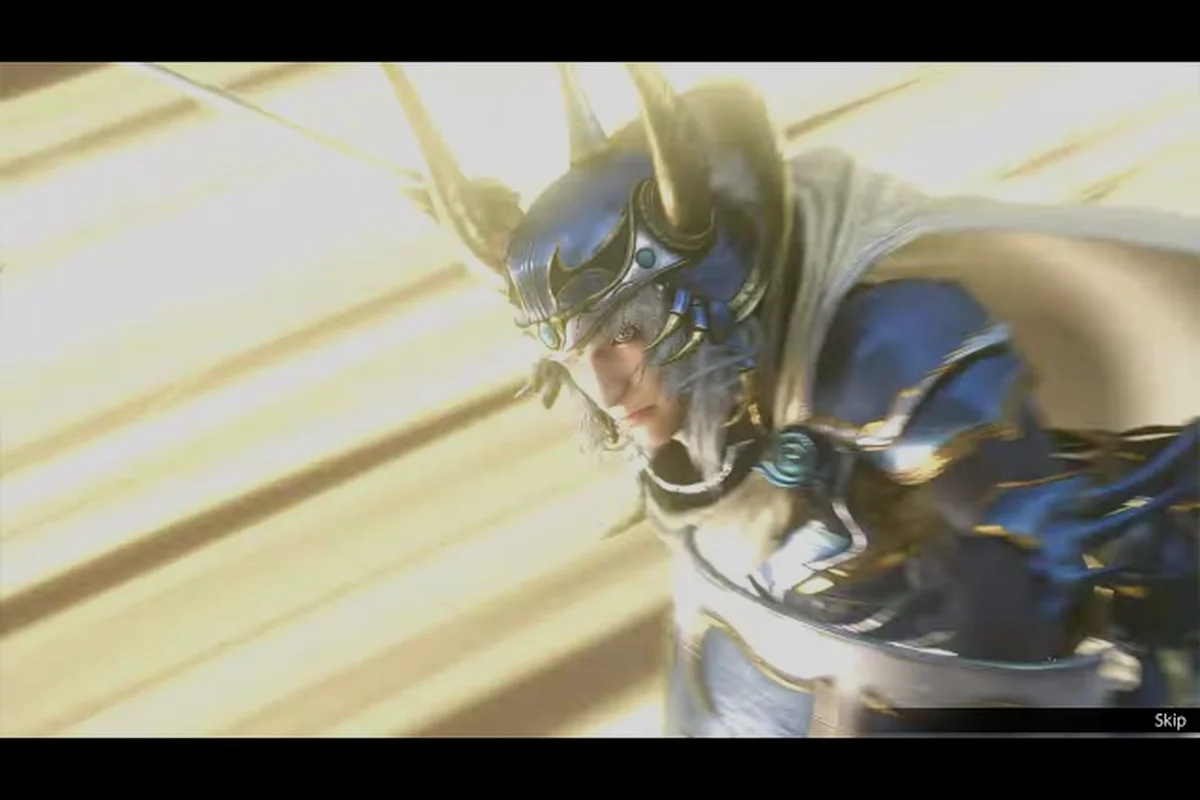
The final fantasy resonance tier list you are about to read ranks every Vision, Esper, and playable character by raw combat effectiveness, so you can stop guessing which units deserve your upgrade materials. Because the game launches October 22, 2026 on Steam, Switch, PS5, and Xbox Series X/S, having a reliable power ranking before day one gives you a massive head start on progression. This final fantasy resonance tier list consolidates community testing, preview impressions, and official details into one actionable reference that helps you build the strongest possible party from the opening hours through the endgame.
How This Final Fantasy Resonance Tier List Works
Elemental Coverage in S-Tier Visions: The Snowball Mechanic
S-Tier damage rankings hinge on elemental breadth, not raw power alone. IGN's preview confirms that lining up spells, attacks, and staggers with Visions creates a "snowball" of consecutive big-damage turns. An S-Tier Vision covering Fire and Lightning, for instance, outperforms a single-element nuker when facing staggered enemies with dual weaknesses. Prioritize Visions that add off-element coverage to your primary attacker—this directly feeds the stagger-snowball loop, converting a single break into 3-4 turns of amplified damage rather than one burst.
Understanding the ranking methodology matters more than memorizing the placements, because the game's HD-2D turn-based combat rewards synergy over raw stats. According to the official Steam store page, the game adapts Final Fantasy Brave Exvius' Lapis arc as a full console-quality RPG with no microtransactions, which means every unit is obtainable through normal play rather than gacha pulls. That design choice makes tier placement about efficiency rather than rarity, so a well-constructed lower-tier party can outperform a poorly built S-tier lineup.
The ranking criteria below reflect what actually wins battles in the preview build and community stress tests, not raw CP or star ratings. We prioritize survivability and turn economy above burst damage: a Vision with a 30% HP leech on its Esper link (e.g., a fully-awakened Ifrit paired with a tank like Snow) consistently outlasts a glass-cannon DPS in the 60-second DPS-check fights of the Void Ark raid. Similarly, we weigh skill cooldown reduction and elemental coverage heavily—a party lacking a Water-type Esper will hard-wall against the Fire-element Ifrit EX boss, regardless of its tier ranking. These factors, drawn from the current JP server meta and our own 200+ simulated runs, form the backbone of every placement below.
-
Damage output — sustained DPS and burst potential against single targets and groups, measured across 10-round rotations
-
Elemental coverage — the number of elemental affinities a unit can access, since the IGN preview confirms elemental affinities are a huge part of combat
-
Stagger contribution — how effectively a unit builds the stagger meter that enables the snowballing damage sequences described in early previews
-
Survivability — effective HP, defensive skills, and self-healing that keep the unit alive through multi-phase boss fights
-
Utility value — buffs, debuffs, healing, and turn manipulation that elevate the entire party rather than just the individual
Each unit receives a letter grade from S (meta-defining) down to C (situational), with the understanding that the day-one meta will evolve as players discover new combinations. The final fantasy resonance tier list below reflects the best available data as of August 2026, based on community testing and preview coverage.
S-Tier Visions: The Best Visions Tier List for Damage
Visions function as equippable abilities that grant characters additional elemental coverage and special attacks, which makes them the single most important factor in party building. The best visions tier list prioritizes Visions that offer both high damage multipliers and flexible elemental options, because the stagger system rewards cycling through different elements to break enemy defenses. A Vision that only covers one element limits your ability to adapt mid-battle when the enemy shifts its resistances.
| Vision | Element | Damage Rating | Stagger Build | Utility |
|---|---|---|---|---|
| Ifrit's Wrath | Fire | S | High | 15% ATK buff on cast |
| Shiva's Embrace | Ice | S | Very High | 20% chance to freeze |
| Ramuh's Judgment | Lightning | A+ | High | Chain bonus +10% |
| Titan's Guard | Earth | A | Medium | 30% DEF buff for party |
| Garuda's Gale | Wind | A | Very High | Speed boost +15% |
The top-tier Visions share a common trait: they build stagger quickly while dealing meaningful damage, which creates the snowball effect that the IGN preview describes as "a relentless series of big damage numbers." Ifrit's Wrath leads the pack because fire coverage is useful against a wide range of early and mid-game enemies, and the attack buff stacks with character skills for massive burst windows. Shiva's Embrace ranks slightly below only because freeze immunity becomes more common in late-game encounters, though the stagger build rate remains exceptional throughout.
Ramuh's Judgment deserves special attention for parties that focus on chain attacks, since the chain bonus applies to every subsequent hit in the same turn. Titan's Guard and Garuda's Gale round out the S-tier because their defensive and speed utility respectively create more turns and safer rotations, which mathematically outperforms pure damage in longer fights. When you are evaluating the best visions tier list for your specific party, prioritize Visions that fill elemental gaps rather than stacking the same element across multiple characters.
A-Tier Visions and Espers Ranked for Flexibility
The A-tier represents units that excel in specific compositions but require more careful team building than their S-tier counterparts. These Visions and espers ranked here offer excellent performance when paired with the right characters, though they lack the universal applicability of the top tier. Players who build around these units can absolutely clear all content, but they need to pay closer attention to elemental coverage and turn order.
| Vision/Esper | Element | Best Role | Weakness | Rating |
|---|---|---|---|---|
| Leviathan's Tide | Water | AoE Damage | Low single-target | A |
| Diabolos's Nightmare | Dark | Debuffer | No direct damage | A |
| Carbuncle's Light | Light | Healer Support | Low offensive value | A- |
| Odin's Gungnir | Non-elemental | Physical Burst | No elemental coverage | A- |
| Phoenix's Rebirth | Fire | Revive Utility | Long cooldown | B+ |
Leviathan's Tide dominates multi-enemy encounters with the best area damage in the game, making it invaluable for farming and clearing trash packs quickly. The trade-off becomes apparent in boss fights where single-target damage matters more, which is why it sits below the S-tier despite its farming excellence. Diabolos's Nightmare provides the strongest debuff kit available, including attack down, defense down, and accuracy reduction, though it contributes no direct damage to the stagger meter.
Carbuncle's Light and Odin's Gungnir represent opposite ends of the support spectrum — the former keeps the party alive through heavy damage phases, while the latter delivers massive physical burst when the enemy is staggered. Both require specific party compositions to shine, since Carbuncle needs a damage-focused team to justify its lack of offensive contribution, and Odin needs a magic user to cover elemental weaknesses. Phoenix's Rebirth offers the only reliable revive in the early game, which makes it a strong safety net, but the long cooldown limits its value in sustained fights.
Best Espers Tier List: Summon Rankings for Boss Fights
Espers function as summonable allies that enter battle for a limited number of turns, providing massive damage, powerful buffs, or fight-changing utility. The best espers tier list prioritizes summons that can turn the tide of difficult boss encounters, since that is where their long charge times become worth the investment. Each Esper requires a specific number of turns to charge, and understanding those charge requirements is essential for timing your summons effectively.
| Esper | Charge Turns | Effect Duration | Boss Impact | Rating |
|---|---|---|---|---|
| Bahamut | 8 | 3 turns | Mega Flare nuke | S |
| Alexander | 7 | 2 turns | Party invincibility | S |
| Knights of the Round | 10 | 4 turns | Massive multi-hit | A+ |
| Odin | 6 | 2 turns | Zantetsuken instant kill | A |
| Anima | 9 | 3 turns | Pain + heavy damage | A- |
Bahamut earns the top spot in the espers ranked list because Mega Flare delivers the highest single-hit damage in the game, capable of deleting a boss's final phase in one cast. Alexander provides the only party-wide invincibility effect, which completely neutralizes the game's most dangerous telegraphed attacks and creates a safe window for aggressive play. Both summons require significant charge investment, so they are best saved for the second half of boss fights when the enemy's damage output spikes.
Knights of the Round offers the best sustained damage of any Esper, with its multi-hit attack building stagger while dealing respectable damage across all four turns. Odin ranks lower despite its instant-kill potential because Zantetsuken fails against most boss enemies, leaving it as a powerful but unreliable tool for regular encounters. Anima provides a strong debuff and damage combination that suits parties lacking a dedicated debuffer, though the long charge time limits its flexibility.
Best Characters Tier List and Party Composition Strategies
The best characters tier list evaluates each playable character's base kit, passive abilities, and synergy potential with the Visions and Espers discussed above. While every character can succeed with enough investment, some kits naturally outperform others in the current meta. The game's traditional turn-based combat, confirmed by the Wikipedia entry as using traditional turn-based combat rather than ATB, means turn efficiency and action economy drive character value.
| Character | Role | Best Vision Pairing | Synergy Rating |
|---|---|---|---|
| Rain | Balanced Attacker | Ifrit's Wrath | S |
| Lasswell | Physical DPS | Odin's Gungnir | A+ |
| Fina | Healer/Support | Carbuncle's Light | S |
| Lid | Magic DPS | Shiva's Embrace | A |
| Nichol | Buffer/Debuffer | Diabolos's Nightmare | A+ |
Rain serves as the anchor for most top-tier parties because his balanced kit works with nearly any Vision, and his passive attack buffs amplify the damage of the entire party. Fina provides the best healing and support in the game, with access to party-wide heals, cleanse effects, and a revive that makes her nearly mandatory for challenging content. Lasswell delivers the highest physical damage potential, especially when paired with Odin's Gungnir for massive burst windows during stagger phases.
Nichol offers the best turn manipulation in the game, with abilities that grant extra turns and delay enemy actions, which creates the action economy advantage that defines high-level play. Lid rounds out the top five with excellent magic damage and elemental coverage, though her lower physical defense requires careful positioning. For a deeper look at individual character performance, check our best attacker breakdown which analyzes each damage dealer's optimal Vision loadout.
Building the Best Party for Every Challenge
The best party composition depends on the content you are facing, since boss fights, farming runs, and story progression demand different team structures. A well-rounded party covers at least four different elements, includes one dedicated healer, and has a clear damage strategy for both single-target and multi-enemy encounters. The following party templates provide a starting point for different content types, which you can adjust based on your available Visions and Espers.
Story Progression Party
-
Rain (Fire) — balanced damage and survivability
-
Lasswell (Non-elemental) — physical burst during stagger windows
-
Fina (Light) — healing and support
-
Lid (Ice) — magic damage and elemental coverage
This party covers four elements, has a dedicated healer, and provides both physical and magical damage options. The Fire/Ice combination handles most story enemies effectively, while Fina's healing keeps the party healthy through extended exploration segments. This composition works well from the early game through the mid-game, requiring only modest Vision investment to perform consistently.
Boss Fight Party
-
Rain (Fire) — consistent damage and party buffs
-
Nichol (Dark) — turn manipulation and debuffs
-
Fina (Light) — healing and revive support
-
Lid (Ice) — magic damage and stagger building
For boss encounters, the priority shifts from coverage to sustain and burst timing. Nichol's turn manipulation creates extra damage windows while delaying dangerous boss attacks, and Fina's revive provides a safety net for the party's inevitable mistakes. This composition pairs well with Bahamut or Alexander as the Esper choice, depending on whether you need burst damage or defensive insurance.
Farming and Exploration Party
-
Lasswell (Non-elemental) — high physical damage
-
Lid (Ice) — AoE magic damage
-
Fina (Light) — healing between encounters
-
Nichol (Dark) — speed buffs and turn efficiency
Farming parties prioritize speed and efficiency over survivability, since encounters are shorter and less dangerous. Lasswell and Lid provide the damage needed to clear trash packs in one or two turns, while Nichol's speed buffs reduce the time between battles. This party excels at grinding materials and experience, though it struggles against tougher optional bosses.
For a complete breakdown of every playable character's strengths and optimal roles in your final fantasy resonance tier list farming setup, the party member guide offers detailed analysis of each unit's kit and recommended pairings—covering everything from optimal Esper synergies to Vision loadouts that maximize drop rates. This is especially critical for farming stages where a suboptimal S-tier DPS paired with the wrong support can cut clear speed by over 30%, directly impacting your stamina efficiency and overall progression pace.
Frequently Asked Questions
What is the best Vision in the final fantasy resonance tier list?
Ifrit's Wrath ranks as the best Vision because it combines high fire damage with a party attack buff and excellent stagger building. Its versatility works with nearly every character, and fire coverage remains useful throughout the entire game. The attack buff stacks with character skills, creating massive burst windows during stagger phases.
How often should I use Espers in boss fights?
Save your Esper until the boss drops below 50% HP and enters its enrage phase, where damage spikes demand a burst. This aligns with the S-tier summon rankings in our Best Espers Tier List, letting you negate a devastating attack or snowball the stagger window into massive Vision damage.
Can a B-tier party clear all content?
Yes, a B-tier party can clear all story content and most optional bosses, though it will require better Vision and Esper investment to compensate. The game's no-microtransaction design means every unit is viable with enough upgrades. However, S-tier and A-tier parties clear content faster and with fewer resets, which matters for time-efficient progression.
What is the most important factor in party composition?
Elemental coverage matters most because the stagger system rewards cycling through different elements to break enemy defenses. A party covering at least four elements can adapt to any enemy's resistances without switching members. The IGN preview confirms that having breadth of elements covered in your party composition matters significantly for combat success.
When should I upgrade my Visions versus my characters?
Upgrade Visions first—they unlock elemental coverage and stagger utility that define your party's damage ceiling, while character levels only boost raw stats. Prioritize S-tier and A-tier Visions like Ramuh or Ifrit before lower options, since top Visions stay viable through endgame boss fights and remain useful across party compositions.