
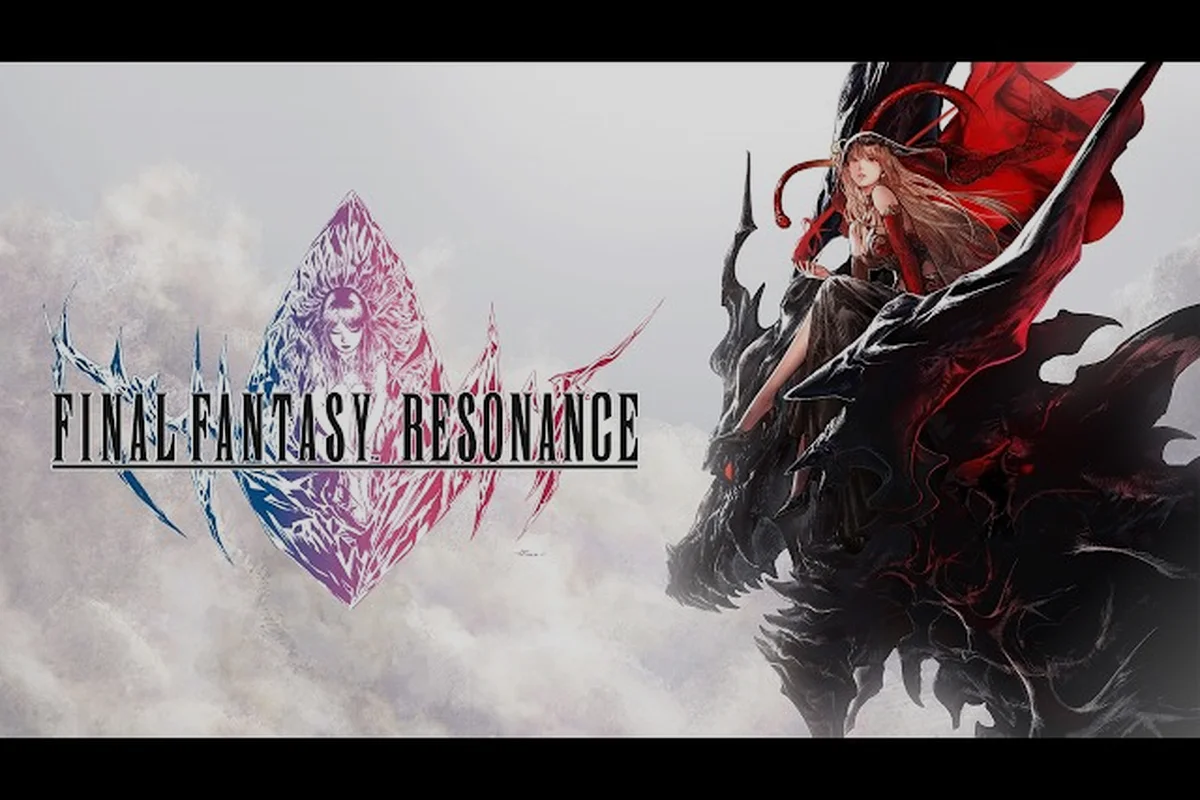
The final fantasy resonance announced during a Nintendo Direct presentation marks a major turning point for the franchise, bringing the beloved mobile narrative of Final Fantasy Brave Exvius into a full console-quality HD-2D experience. This reveal confirms that Square Enix and LANCARSE Ltd. are delivering a traditional turn-based JRPG without microtransactions, a detail that immediately distinguishes it from its mobile predecessor. Because the announcement carries significant implications for both longtime fans and newcomers, understanding the confirmed details about the October 22 release window, the $49.99 standard price point, and the five-platform launch strategy will help you decide whether this title belongs on your radar.
The FINAL FANTASY RESONANCE Reveal Trailer Breakdown
The final fantasy resonance reveal trailer showcased the game's distinctive HD-2D visual style, which combines pixel-art sprites with rich volumetric lighting and depth-of-field effects. This marks the first time the Final Fantasy series has adopted the HD-2D aesthetic popularized by titles like Octopath Traveler, and the trailer demonstrated how classic summons like espers and iconic characters translate into this hybrid presentation. The footage also confirmed that combat operates on a traditional turn-based system rather than the Active Time Battle gauge, with enemies visibly staggered when struck by elemental weaknesses.
The trailer's most striking segment featured Cloud, Tidus, and the Warrior of Light appearing as guest characters in retro-inspired form, suggesting a broader crossover element within the campaign. According to the official Square Enix website, the story adapts the "Lapis" arc from the 2015 mobile game, which centers on Rain, Lasswell, and Fina as they investigate the disappearance of the Veritas of the Dark. This narrative foundation gives the reveal trailer a sense of continuity for players who followed the original Brave Exvius storyline, while the HD-2D overhaul makes it accessible to a fresh audience.
The final fantasy resonance trailer also highlighted the game's strategic combat depth, showing a Resonance Gauge that builds as party members land attacks and chain abilities. When the gauge fills completely, characters can trigger a Bonus Phase that grants extra turns and amplifies damage output, a mechanic that rewards careful party composition and elemental planning. The trailer closed with a glimpse of the Magitek Airship pre-order bonus, which includes a Magitek Airship Passkey and the Squire Starter Pack for early-game equipment advantages.
Release Date and Platform Availability
The final fantasy resonance release date was locked to October 22, 2026 during the Nintendo Direct announcement, with the game launching simultaneously across five platforms. This simultaneous multi-platform release strategy reflects Square Enix's commitment to reaching the broadest possible audience, and it means no platform holders will experience extended waiting periods. The confirmed platforms include Nintendo Switch, Switch 2, PlayStation 5, Windows PC via Steam and the Microsoft Store, and Xbox Series X|S.
| Platform | Release Format | Notable Features |
|---|---|---|
| Nintendo Switch | Physical + Digital | Handheld mode, touch screen support |
| Switch 2 | Physical + Digital | Enhanced performance, faster load times |
| PlayStation 5 | Physical + Digital | DualSense haptic feedback integration |
| Xbox Series X/S | Physical + Digital | Smart Delivery, Quick Resume support |
| Windows PC | Steam + Microsoft Store | Steam Deck verified, ultrawide support |
The Switch 2 version has generated particular interest among the community because it reportedly runs at a higher resolution with improved frame pacing compared to the original Switch hardware. Players who plan to play on the go will find the standard Switch version perfectly serviceable, while those with a Switch 2 can expect sharper visuals and reduced loading times. The PC version on Steam includes cloud saves and achievement support, making it the most flexible option for players who switch between desktop and handheld setups.
For players tracking the final fantasy resonance news cycle, the simultaneous launch eliminates the platform-exclusive anxiety that often accompanies major JRPG releases. The Steam store page confirms that pre-orders are now live, and the page lists the full system requirements for PC players who want to verify their hardware can handle the HD-2D presentation.
FINAL FANTASY RESONANCE Price and Edition Comparison
The final fantasy resonance price structure follows a straightforward two-tier system that avoids the confusing multiple-edition maze common in modern AAA releases. The Standard Edition costs $49.99 and includes the full base game with no microtransactions, while the Digital Deluxe Edition costs $59.99 and adds several useful in-game items. A Collector's Edition was also announced for physical retailers, though its contents and regional availability vary by territory.
| Edition | Price | Included Content | Target Audience |
|---|---|---|---|
| Standard | $49.99 | Base game, pre-order bonus | Budget-conscious players |
| Digital Deluxe | $59.99 | Base game, exclusive weapons, armor sets, art book | Completionists and collectors |
| Collector's | $99.99 | Digital Deluxe content, physical art book, soundtrack, figure | Hardcore fans |
The Digital Deluxe Edition includes exclusive in-game gear that provides early-game stat boosts, though the developers have confirmed these items do not create a pay-to-win imbalance. The Collector's Edition figure depicts Rain in his HD-2D-inspired design, and the physical art book contains concept art from the development process. Community reports suggest the Collector's Edition sold through its initial allocation quickly in Japan, so interested buyers should check regional availability soon.
The absence of microtransactions represents a significant departure from the original Brave Exvius mobile model, which relied on gacha mechanics and premium currency. This shift means the final fantasy resonance price you see at checkout is the complete cost, with all espers, characters, and equipment obtainable through gameplay. The editions comparison guide breaks down the value proposition of each tier in detail, helping you decide whether the deluxe extras justify the additional $10.
The Lapis Arc Adaptation and Core Systems
The Lapis Arc Adaptation Scope: From Brave Exvius Mobile to HD-2D Console
The narrative backbone of FINAL FANTASY RESONANCE is the complete adaptation of Final Fantasy Brave Exvius's first story arc, "Lapis," which originally debuted on mobile in 2015. Rather than a loose retelling, Square Enix and LANCARSE Ltd. are rebuilding the arc as a full console-quality RPG, expanding the original gacha-driven narrative into a traditional, progression-based campaign. This structural shift means the story is no longer gated by energy systems or summon-ticket progression; instead, the Lapis arc's key beats—the struggle over the Crystals and the journey of Rain, Lasswell, and Fina—are re-contextualized for a $49.99 standalone package with no microtransactions, a stark departure from the free-to-play model that birthed the source material.
The Magitek Airship & Squire Starter Pack Pre-Order Breakdown
The pre-order incentive for FINAL FANTASY RESONANCE is the Magitek Airship & Squire Starter Pack, which includes the Magitek Airship Passkey and a Knight-specific starter gear set. The Magitek Airship Passkey is not a cosmetic mount; it grants early access to the airship traversal system, allowing players to bypass ground-based chocobo routes between major Lapis arc regions during the early chapters. The Squire Starter Pack, by contrast, provides a weapon and armor set tailored for the Knight job class, offering a defensive stat boost that is particularly effective against the stun-prone early-game enemies. This dual-layered bonus contrasts with the Digital Deluxe Edition's "useful in-game items," which are consumables rather than permanent traversal or gear unlocks.
The final fantasy resonance updates from the reveal trailer and official website describe a combat system that honors classic Final Fantasy traditions while introducing modern quality-of-life improvements. The turn-based battle system replaces the ATB gauge with a more deliberate pacing that gives players time to assess enemy weaknesses and plan multi-turn strategies. This design choice aligns with the HD-2D aesthetic, which evokes the golden age of 16-bit JRPGs while leveraging modern hardware for visual polish.
-
Elemental Stagger System: Enemies accumulate stagger when struck by their elemental weakness, and filling the stagger meter triggers a Break State that increases damage taken by 50% for three turns.
-
Resonance Gauge: Building this gauge through successful attacks and ability chains unlocks the Bonus Phase, granting extra turns and enhanced ability potency.
-
Esper Summons: Espers like Siren and Bahamut appear as both summonable allies and dungeon bosses, with each esper offering unique passive bonuses when equipped.
-
Vision System: Characters can equip Visions that provide passive stat boosts and modify ability properties, similar to the materia system from Final Fantasy VII.
The Vision system deserves special attention because it fundamentally changes how you approach character building. Each Vision grants a combination of passive buffs, elemental affinities, and unique abilities that can transform a character's combat role. For example, equipping a thunder-aligned Vision on Rain converts his sword attacks to lightning damage, which synergizes with the stagger system against water-type enemies. The Cloud Vision build guide provides a detailed breakdown of how to optimize this system for maximum damage output.
The combat depth extends to the party composition system, which allows three active party members with two reserve slots for mid-battle swaps. This flexibility encourages players to build a diverse roster rather than relying on a single overpowered team, since elemental coverage becomes critical for harder encounters. The turn-based pacing also means positioning matters less than in action RPGs, shifting the strategic focus to ability timing and resource management.
Story, Setting, and HD-2D Presentation
The Traditional Turn-Based Combat Shift: No ATB, No Gacha
FINAL FANTASY RESONANCE abandons the series' iconic Active Time Battle (ATB) gauge in favor of a traditional turn-based system, a first for a mainline-adjacent Final Fantasy title. The official Steam listing and Wikipedia confirm that enemies are stunned after taking damage, creating a tactical window for players to chain abilities without interruption. This is a deliberate departure from Brave Exvius's mobile combat, which relied on tapping and swipe commands. The removal of the gacha mechanic also means the Esper system and character abilities—such as Cloud, Tidus, and the Warrior of Light appearing in retro-inspired HD-2D—are unlocked through story progression and exploration, not randomized summons, fundamentally altering how players build their party.
HD-2D Presentation and the Return of Classic Summons
As the first HD-2D game in the Final Fantasy series, FINAL FANTASY RESONANCE leverages the visual style popularized by Octopath Traveler to render the Lapis arc's world. The official Square Enix site confirms the return of chocobos, espers, and airships, with espers functioning as the game's summon system. Unlike the pixel-art sprites of the original mobile title, the HD-2D engine uses depth-of-field and lighting effects to give the Crystals and esper summon sequences a diorama-like presence. This visual overhaul directly impacts gameplay readability: enemy stun animations are more pronounced, making it easier to time turn-based ability chains, and the retro-inspired character models for Cloud, Tidus, and the Warrior of Light are designed to fit the 2D sprite scale rather than the 3D models seen in Dissidia or Remake.
The final fantasy resonance reveal confirmed that the game adapts the Lapis arc from Final Fantasy Brave Exvius, following Rain, Lasswell, and Fina through the war-torn continent of Lapis. The narrative centers on the conflict between the Veritas of the Dark and the Sworn Six of Paladia, with the Crystal of Veritas serving as the macguffin that drives the party across diverse environments. This adaptation compresses the mobile game's episodic structure into a cohesive console experience, with the developers confirming that the story has been rewritten for a more focused pacing.
| Story Element | Mobile Original | Resonance Adaptation |
|---|---|---|
| Chapter Structure | 100+ short episodes | 12 longer chapters |
| Party Members | Rain, Lasswell, Fina, Lid | Same core cast, expanded side content |
| Antagonists | Veritas of the Dark | Expanded backstory and motivations |
| World Map | Linear progression | Open exploration zones |
The HD-2D presentation represents the most significant visual departure from the mobile original, with the pixel-art sprites rendered against fully 3D environments that feature dynamic lighting and weather effects. The reveal trailer showcased a desert region where sand particles drift across the screen, and a forest area where sunlight filters through animated foliage. This visual style has proven popular in recent Square Enix titles, and applying it to the Final Fantasy franchise represents a bold creative choice that differentiates Resonance from the photorealistic direction of recent mainline entries.
The soundtrack, composed by a team that includes veterans from the Brave Exvius mobile project, reinterprets classic themes with a full orchestral arrangement. The reveal trailer featured a new arrangement of the "Lapis" main theme, which blends the original mobile composition with richer instrumentation and choral elements. Players who enjoyed the mobile game's music will find familiar motifs woven throughout the new score, while newcomers will experience a standalone soundtrack that stands on its own merits.
What You Get for Pre-Ordering: Incentives Explained
The final fantasy resonance pre-order campaign includes several incentives that reward early commitment without creating long-term exclusivity concerns. The Magitek Airship & Squire Starter Pack serves as the primary pre-order bonus, providing the Magitek Airship Passkey that unlocks fast travel between discovered locations and the Knight's Oath accessory that grants a 10% experience bonus. These items provide meaningful early-game advantages, though the developers have confirmed that all content remains obtainable through normal gameplay for players who wait.
-
Magitek Airship Passkey: Unlocks airship fast travel after Chapter 3, saving significant backtracking time.
-
Knight's Oath Accessory: Grants 10% bonus experience, accelerating early character progression.
-
Squire's Starter Armor Set: Provides defensive stats comparable to mid-game equipment, easing the difficulty curve.
-
Digital Mini Soundtrack: Available for Digital Deluxe pre-orders, featuring five tracks from the full OST.
The pre-order bonus availability extends through launch day, meaning players who purchase the game on October 22 still receive the incentives. This generous window eliminates the pressure to pre-order months in advance, though physical copies at retail may sell through their initial allocation. The pre-order guide covers the full details of what each retailer includes, since some regional stores offer exclusive bonus items like keychains or poster sets.
Community response to the pre-order structure has been largely positive, with players praising the absence of exclusive pre-order content that locks meaningful gameplay behind early purchases. The Knight's Oath experience bonus represents the most impactful pre-order item, though the 10% boost diminishes in value as you approach the level cap. Players who prefer a challenging experience can simply skip equipping the accessory, preserving the intended difficulty curve.
FINAL FANTASY RESONANCE News and Community Reception
The final fantasy resonance news cycle following the Nintendo Direct announcement has been dominated by discussions about the game's visual style and combat pacing. The HD-2D presentation has generated significant excitement among fans who grew up with 16-bit Final Fantasy titles, while the turn-based combat has been welcomed by players who prefer strategic depth over action-oriented mechanics. Community forums report that the announcement trailer has accumulated millions of views within the first week, indicating strong mainstream interest.
The community reception has also highlighted the significance of the no-microtransaction policy, which represents a philosophical shift from the mobile game that inspired this adaptation. Players who invested heavily in Brave Exvius's gacha system have expressed relief that Resonance offers a complete experience without ongoing monetization pressure. This positioning could attract players who avoided the mobile game specifically because of its free-to-play model.
The development partnership between Square Enix and LANCARSE Ltd. has also drawn attention, since LANCARSE previously worked on the HD-2D remakes of Live A Live and Dragon Quest III. Their experience with the visual style ensures that Resonance maintains the technical quality expected from the HD-2D catalog, and the collaboration suggests Square Enix is investing seriously in this presentation approach. The release date coverage provides additional context on how the announcement fits into Square Enix's broader 2026 release schedule.
Frequently Asked Questions
When was final fantasy resonance announced?
The final fantasy resonance announced during a Nintendo Direct presentation in August 2026, with the reveal trailer debuting alongside the official website launch. The announcement confirmed the October 22 release date, the $49.99 price point, and the five-platform launch strategy that includes Nintendo Switch, Switch 2, PS5, Xbox Series X/S, and PC.
What platforms will final fantasy resonance be available on?
The game launches on October 22, 2026 for Nintendo Switch, Switch 2, PlayStation 5, Xbox Series X/S, and Windows PC via Steam and the Microsoft Store. The simultaneous multi-platform release means no platform experiences extended delays, and the PC version includes Steam Deck verification for portable play.
How much does final fantasy resonance cost?
The final fantasy resonance price is $49.99 for the Standard Edition, with the Digital Deluxe Edition priced at $59.99. A Collector's Edition is available at select retailers for $99.99, though its availability varies by region. The game contains no microtransactions, so the purchase price covers all content.
Does final fantasy resonance include microtransactions?
No, the developers have confirmed that final fantasy resonance contains no microtransactions or gacha mechanics. All espers, characters, and equipment are obtainable through normal gameplay, marking a significant departure from the mobile Brave Exvius model that relied on premium currency and random draws.
What is the final fantasy resonance reveal trailer showing?
The reveal trailer shows the HD-2D visual style, turn-based combat, and the Lapis arc adaptation from Brave Exvius, featuring Cloud, Tidus, and the Warrior of Light. It also highlights the Resonance Gauge mechanic and esper summon system, confirming the October 22, 2026 launch across PS5, Switch 2, and PC.